 |
National Association of Timetable Collectors |
Introduction
Join the NAOTC - About Us and Membership InformationContact UsCollecting TimetablesRailroad Catalog - Over 3,700 Public Timetables on display. Rail Employee Timetables - Updated February 2026Timetable Reprint GuideThe First Edition - About our newsletterThe Timetable Collector - About our magazineDownload over 200 Old Official Guides! 1874-1909LinksTrading Post - NOTE to Members: This page is being updated now upon request, but it still contains much outdated information. Please send updated details. Thanks!Convention Details - October 2 and 3, 2026, Owosso, MichiganMembers - Our private clubhouse
Latest News
| 2026 Convention Dates and Location Announced: Our next convention will take place in Owosso, MI on October 2 and 3, 2026. Details and a registration form were provided with The First Edition in May 2026. You can also click the "Convention Details" tab in the left column for information on the location and schedule. Publications: The next issue of The First Edition was mailed in May. The 2026 convention flyer and registration form was included. Website Updates and Electronic Membership Dues: Many updates have been made to the website this year. Electronic payment for membership dues is now available via this site. "Join the NAOTC" and "Contact Us" tabs have been added. The Discussion Board for members is available now too under the "Members" tab. Current Employee Timetable List: Updated February 2026. |
Introduction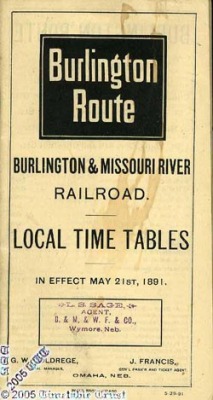 Left image: Classic Rail Timetables from 130 years ago! |
Collecting Today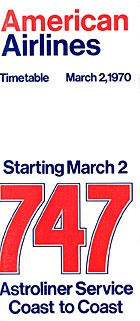 Right image: Classic Air Timetables courtesy of AirTimes |